Breathwork includes conscious breathing techniques that create a direct connection to your nervous system, your body, and your inner processes.
Breathwork honestly doesn’t begin only in an intense session, it starts the moment we begin to breathe consciously. We breathe around 20,000 to 25,000 times a day, most of the time completely automatically. As soon as we become aware of the breath or intentionally change it, we already begin to influence our physical and emotional state.
Breathing practices have been part of human history for thousands of years, particularly within yogic, meditative, and spiritual traditions. Especially in Western culture, much of this knowledge faded into the background for a long time and is now increasingly being explored and reinterpreted through scientific research.
At the same time, not all breathwork is the same.
There are more functional approaches to breathwork that focus on breathing mechanics, CO₂ tolerance, stress regulation, and healthy everyday breathing patterns. There are also more intensive forms of breathwork that intentionally work with altered states of consciousness and can initiate deeper emotional or physical processes.
In my work, I mainly use Conscious Connected Breathwork — a connected, rhythmic breathing technique that can guide you out of constant thinking and back into the awareness of your body.
Through continuous breathing, a state can emerge in which:
The breath acts as a bridge between body and mind. It can support you in stepping out of automatic reaction patterns, regulating stress more consciously, and reconnecting with yourself.
Breathwork is not a replacement for psychotherapy or medical treatment. However, it can be a valuable body-based complement that supports self-awareness, emotional regulation, and inner stability.
My approach is trauma-informed and resource-informed. You decide the pace, depth, and boundaries of the experience at all times. The breath is not “forced,” but used as a tool to support awareness, self-regulation, and a greater sense of inner safety.
The focus is not on extreme experiences or emotional catharsis, as breathwork is often portrayed on social media. Intense emotional reactions can arise during breathwork processes, but they are not automatically a sign of healing or progress.
Trauma-sensitive work is therefore not about “breaking things open,” but about avoiding overwhelm and strengthening the nervous system’s ability to stay connected to yourself.
Rather than intensity, the focus is on:
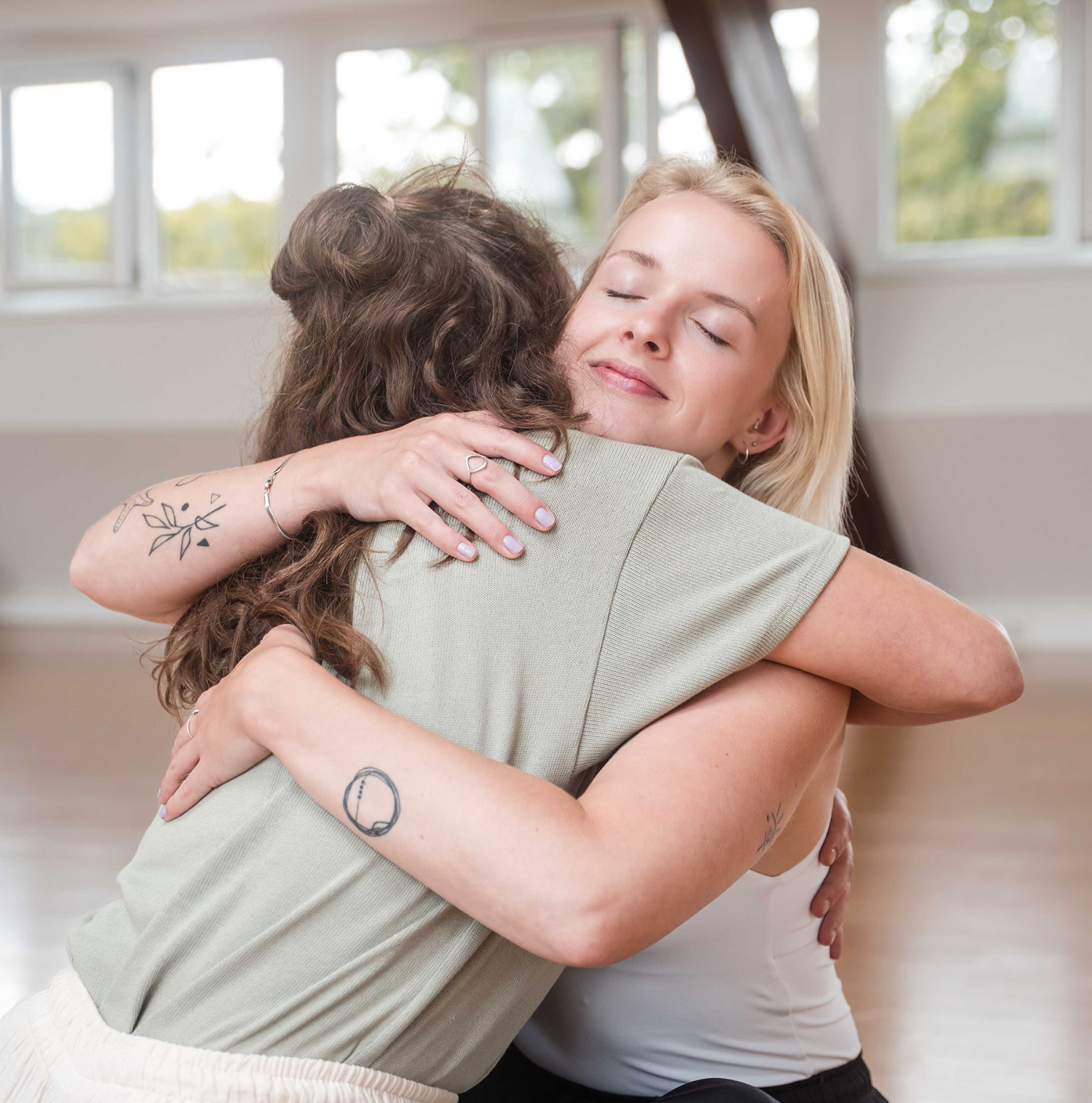
Through mindful guidance, clear communication, pauses, and co-regulation, a space is created where you can experience yourself without becoming overwhelmed.
The goal is not to “get something out of you.”
It is to support your system in experiencing more safety, self-connection, and conscious regulation.
Many strategies we use in everyday life: distraction, control, consumption, withdrawal — are attempts to cope with inner pressure. Breathwork works exactly where these patterns arise: in the nervous system. Instead of suppressing or avoiding emotions you learn to feel and regulate them in your body.
This allows change to happen:
Conscious, rhythmic breathing directly affects your nervous system.
It can:
After a breathwork session, many people report:
Integration is just as important as the breathing itself. Sustainable change happens when these experiences are anchored in daily life.
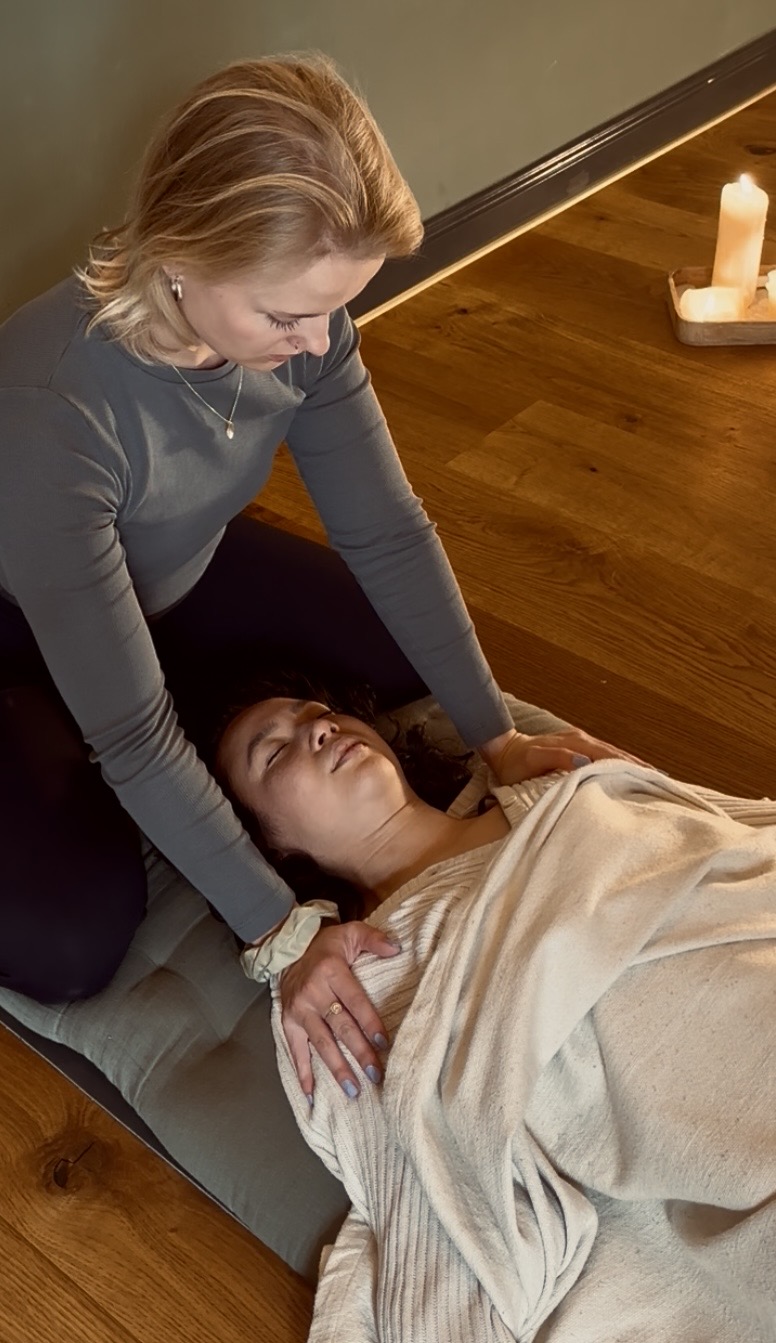
Whether in one-on-one sessions or group settings, breathwork creates space for self-discovery, healing, and growth. Each session is trauma-informed, individually attuned, and held within a safe and trusting framework.
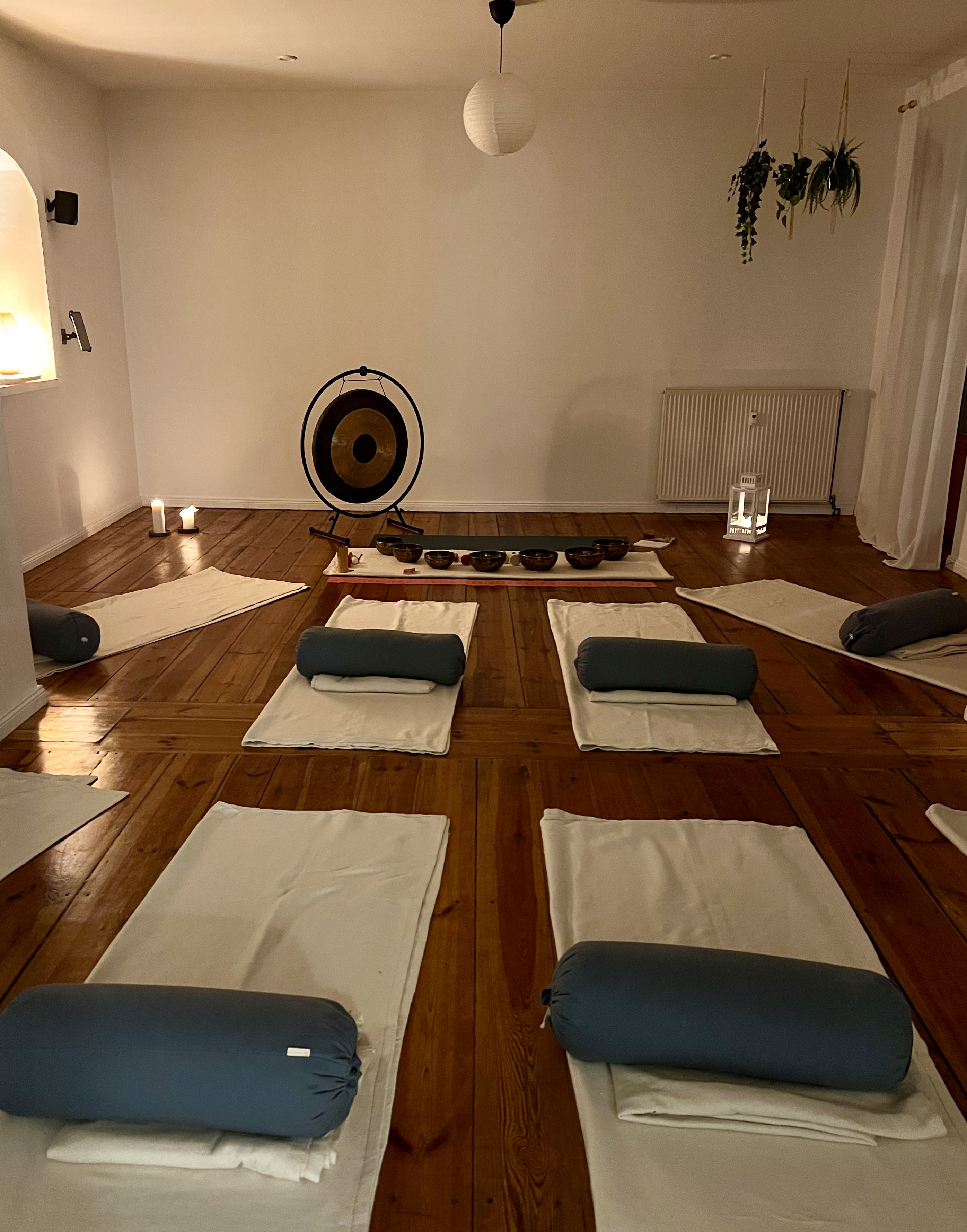
Spaces where you can regulate your nervous system, release tension and reconnect with yourself. All classes are open to all levels.
SLOWS · Wednesdays · 08:00 – 08:45
Breathwork, meditation, and nervous system regulation to help you start your day feeling grounded.
Om Shiva · Wednesdays · 13:00 – 13:45
Gentle stretching and conscious breathing to reduce tension and restore balance.
SLOWS · Fridays · 15:00 – 15:45
Breathwork, somatic exercises, and self-regulation to gently wind down your week.
Om Shiva · Fridays · 19:00 – 20:00
Movement, breathwork and deep relaxation to consciously release the week.